The 2025 UN Emerging Leaders e-Learning Experience: Spotlight interviews with World Health Organization personnel | UNSSC
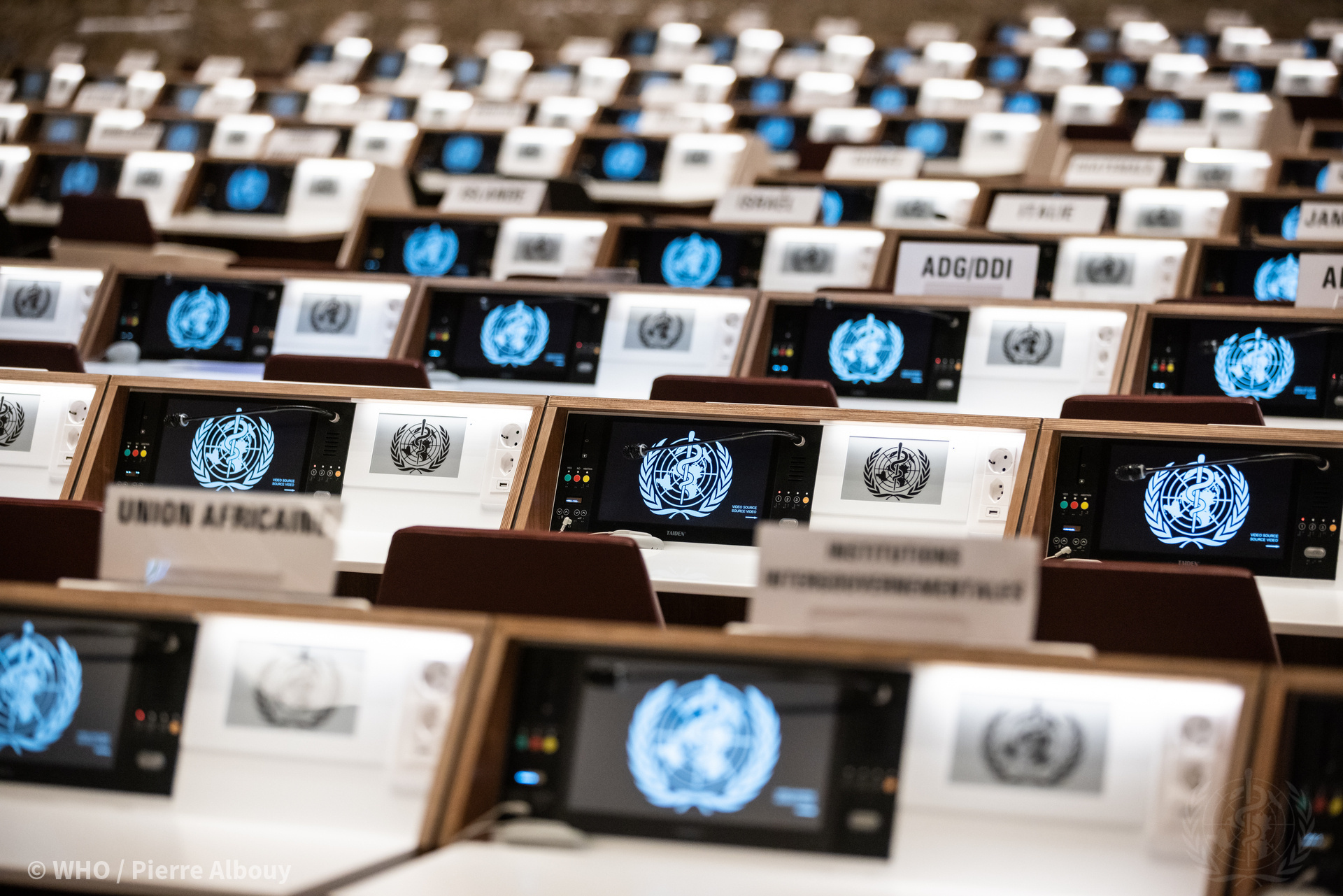
At UNSSC, we believe in the power of partnerships and collaboration to provide the best training experience for our participants. Drawing from our long history of collaboration with the WHO, we are excited to highlight the experiences of three distinguished alumni from the UN Emerging Leaders e-Learning cohort of fall 2025.
Over the course of seven weeks, these participants engaged with leading professionals and subject-matter experts in the field of leadership. This experience helped them refine their leadership and management skills while enabling them to apply the key behaviours outlined in the UN System Leadership Framework.
Arshad Altaf is a medical doctor and physician, with a postgraduate degree in public health. With a long running career in the WHO, he’s currently a Technical Officer for the Research Promotion and Development (RPD) Unit at the WHO Regional Office for the Eastern Mediterranean.
Edwina Zoghbi is the National Officer for Non-Communicable Diseases and Mental Health in the Lebanon WHO country office. She has a background in nutrition and dietetics and also in psychology and psychopathology, a Master’s in public health, and is currently doing a PhD in health systems and governance.
Alba Llop-Gironés is a Technical Officer for Nursing and Midwifery and technical lead for data and evidence on health workforce at the WHO Regional Office for Europe with a career background in health policy and system strengthening. She’s a nurse with a specialty in pediatrics, and both a Master’s and PhD in public health.
In this spotlight interview with Juan Pendavis each of the three alumni share their UNSSC learning experience and its impact on their professional journey
Juan: How has the UN Emerging Leaders e-Learning programme supported your professional leadership development?
Arshad: When I first began as acting Technical Officer at the WHO’s Regional Office in Cairo, I faced many external challenges in effectively utilizing my leadership and managing projects. This programme greatly assisted me in navigating these leadership challenges while also helping me identify my strengths and areas for development. My favorite lesson was emotional intelligence. It helped me slow down and realize that when challenges arise in your work, they aren’t always directed at you personally; sometimes, it’s just a matter of your perception.
Edwina: I have been working at WHO Lebanon for 11 years, where the focus is on versatile, horizontal tasks rather than specialization. While I function as a general practitioner, I recognize I can’t be an expert in everything. As I consider my next career move, I see the need to strengthen my management and leadership skills. Although I currently supervise a team, I lack formal training in these areas. This programme presents a valuable opportunity to enhance my understanding of UN leadership.
Alba:Recently, Antonio Gutierrez, the Secretary General, visited the UN City in Copenhagen and emphasized that the principles of the UN Charter, international law, and state territorial integrity are under threat, but they “are not for sale”. In these challenging times, all UN staff recognize the importance of multilateralism for our common future. This programme is essential in developing value-based leadership, which is crucial for promoting human rights, peace and security, poverty reduction, and climate action. Effective leadership training is vital for us to uphold our mandates.
link