Delaware launches K-12 esports program for career growth
From Philly and the Pa. suburbs to South Jersey and Delaware, what would you like WHYY News to cover? Let us know!
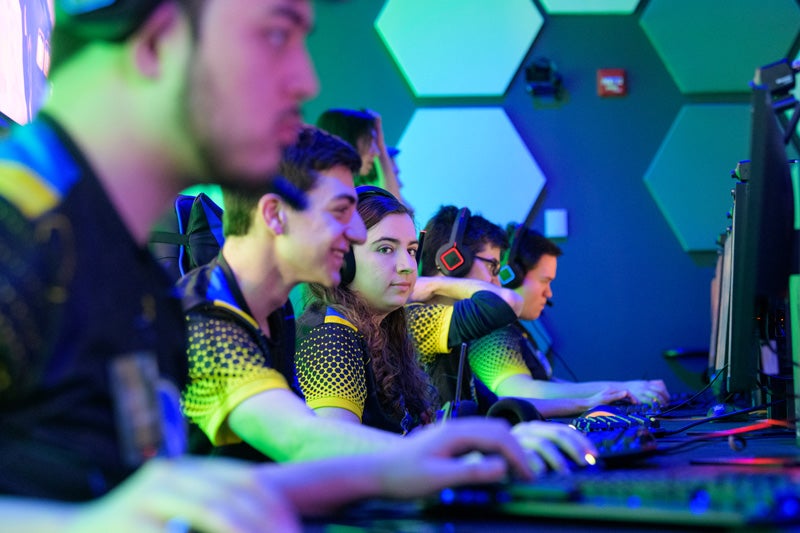
For many decades, Delaware students have competed on sports fields and in gymnasiums in a variety of athletic competitions. Soon, students will be competing in video games while also developing skills that could one day be used in a future career.
The state’s new K-12 scholastic esports program is more than just a gaming initiative. The effort is designed to bridge students’ passions and real-world opportunities in learning, career exploration and community building.
“What we’re trying to do is bring together the competitive side of esports and the scholastic side, where we’re focusing on the inclusive aspects, school climate, and culture, as well as the college and career connection aspects of it,” said Alyssa Moore, education associate for digital learning at the Delaware Department of Education.
“Helping students to look at their interest in esports and how that might connect to the opportunities for their future for jobs and what they might want to do to prepare for those jobs where they can see connections to the work that they’re doing in their other curricular classes.”
The program’s statewide rollout builds on the success of earlier pilot initiatives, which laid the foundation for its growth. From January to early April, students will participate in competitions and scrimmages, culminating in championship invitationals hosted by colleges and universities across the state.
Esports is more than just gaming as Moore says it’s also a gateway to diverse career opportunities.
“There are so many connections to STEM and computer science when it comes to esports because it lives in the digital world,” she said. “Like how are these games built and put together? How do we keep our information safe online? How do the cybersecurity aspects come in? What information or what knowledge is needed to put all these pieces together to design a game?”
Through hands-on experience, students develop critical skills such as problem-solving, collaboration and creativity — abilities that are directly transferable to numerous industries.
“It’s a great example of how we can bring students’ interests to life at school and make connections to the things that they want to and are doing outside of school in school to help make those real-world connections to the things that they’re learning and to their future goals,” Moore said.
link